
Bachelor of Arts in Economics
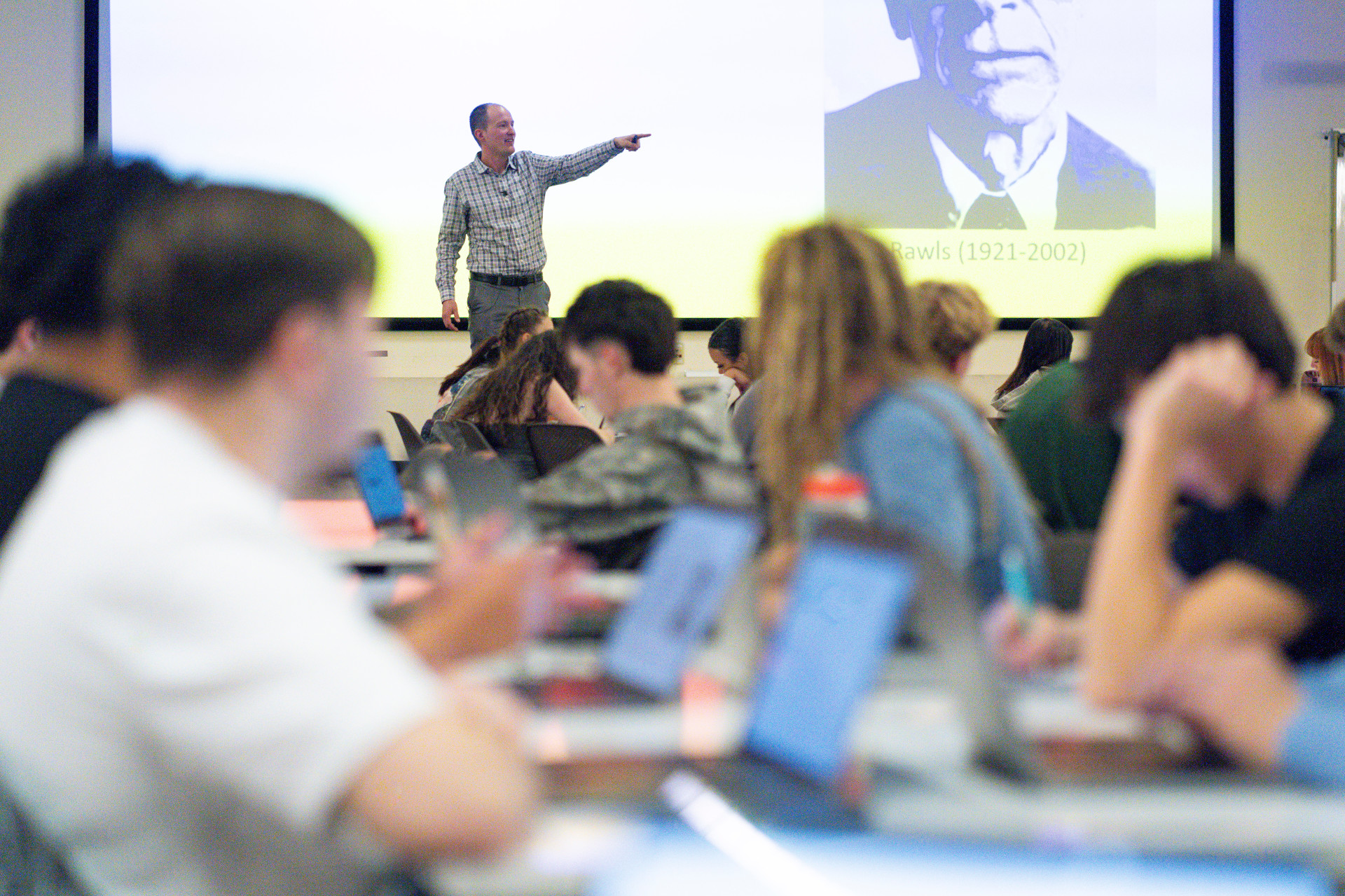
Bachelor of Arts in Economics
Colorado State University’s Bachelor of Arts in Economics explores how people, businesses, and governments make decisions and how those choices shape markets, policy, and society. Students build a foundation in economic theory, quantitative analysis, and data-driven research while examining issues such as inequality, globalization, public policy, and environmental challenges.
Through a combination of analytical coursework and applied learning, students develop the tools to investigate complex questions, interpret evidence, and understand how economic systems interact with culture, institutions, and everyday life.
This degree can be completed as an accelerated option in 3-3.5 years.
Ways to Earn a B.A.
We offer several options to earn your bachelor’s in economics, including a traditional on-campus experience, enhanced honors studies, an accelerated program to complete the degree in 3-3.5 years, and a 100% online option. Explore each option below.
Graduate with an honors scholar designation through the enhanced honors program involving more rigorous coursework and a small learning community that you would typically experience at small liberal arts colleges.
Graduate with the flexibility of earning your degree online. Courses are taught by the same faculty who teach on campus, and online credits are the same as on-campus student credits.
Advising Information
Are you a current student who would like to learn more about adding or completing an economics major?
Schedule an appointment with one of our dedicated Academic Success Coordinators by contacting the CLA Academic Support Center.
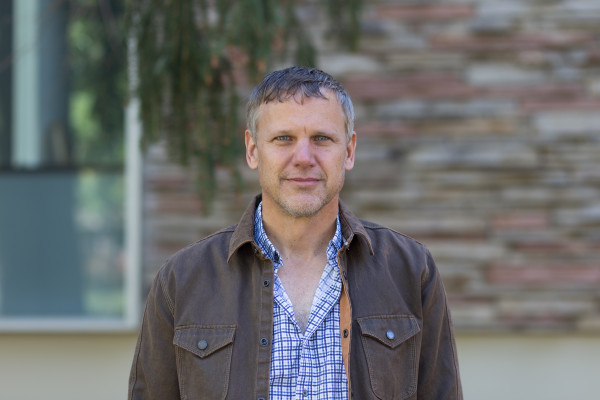
Martin Shields
- Professor
- Director of Undergraduate Studies
Internships
Students in Economics don’t just study economic ideas—they put them to work. Through the department’s Undergraduate Research Internship program, students collaborate with faculty mentors on funded research projects that explore real economic questions using data, analysis, and evidence-based inquiry.
These hands-on experiences help students build skills in econometrics, research design, problem-solving, and professional communication while contributing to projects with meaningful policy and societal implications. Whether analyzing trends, testing ideas, or working with community partners, students gain valuable experience applying economic thinking beyond the classroom.

Tutoring Help
The Economics Tutoring Center is open Monday–Thursday from 11 a.m.–4 p.m. in Social Sciences Hall C3829.
Tutoring is available at no cost on a walk-in basis for the following courses:
- ECON 202 Principles of Microeconomics
- ECON 204 Principles of Macroeconomics
- ECON 304 Intermediate Macroeconomics
- ECON 306 Intermediate Microeconomics
- ECON 335 Introduction to Econometrics
Additional course support may be available upon request
Student Profile
Economics student Melanie Brousseau drew on research from her CSU internship on migrant and seasonal farmworkers to help develop The Harvest Health Initiative, an interdisciplinary project she presented with her team at the National Collegiate Policy Challenge hosted by the University of Chicago.
Her work applied economic analysis to understand barriers to healthcare access in Colorado’s agricultural communities and inform policy solutions to strengthen rural healthcare systems.
Faculty Profile
Environmental economist and University Distinguished Professor Edward Barbier is internationally recognized for his work connecting economics and environmental systems. He was elected to the National Academy of Sciences and named a 2026 laureate of the Blue Planet Prize—often called the “Nobel Prize of environmental sciences”—in recognition of his contributions to addressing global environmental challenges.
His research has shaped international policy discussions, including the United Nations Sustainable Development Goals, and advanced understanding of how economies value natural resources and ecosystems.
Next Steps
Are you interested in joining our community?